
Introduction
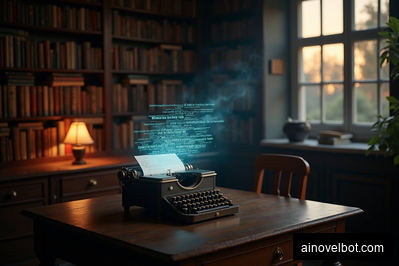
The advent of artificial intelligence (AI) in the realm of creative writing has sparked a revolution, offering unprecedented tools and possibilities for writers, publishers, and content creators. However, this technological evolution brings forth a myriad of ethical considerations that demand careful navigation. From issues of originality and copyright to the impact on the writing profession itself, the ethical landscape of AI-assisted creative writing is complex and multifaceted. This blog post delves into the core ethical dilemmas posed by AI in creative writing, offering insights, examples, and guidance on how to ethically engage with these powerful tools.
In this Introduction section, exploring how AI revolutionizes creative writing opens doors to innovative possibilities. For instance, AI-powered tools like GPT-3 can generate compelling narratives, pushing the boundaries of storytelling. The section delves into how AI enhances writer productivity and creativity, shaping the future of literature.
Understanding the Ethical Landscape
The integration of AI into creative writing introduces several ethical questions. Primary among these is the concern over originality and plagiarism. AI algorithms can generate text based on vast datasets of existing works, raising the question of whether the output is truly original or simply a recombination of existing ideas. Another ethical concern is the potential devaluation of human creativity and the commodification of written works. As AI-generated content becomes more prevalent, there is a risk that the value placed on human-generated creativity will diminish, potentially reducing opportunities for writers and altering the landscape of the publishing industry.
Moreover, issues of bias and fairness come to the fore. AI systems are only as unbiased as the data they are trained on, which means they can perpetuate and even amplify existing biases in literature. This raises concerns about the diversity and inclusivity of AI-generated content. For example, a study by the Allen Institute for AI found that text generated by certain language models can reflect and perpetuate gender biases, indicating a need for more conscientious data curation and algorithm design.
Exploring the ethical landscape further, the use of AI in content creation also raises concerns about intellectual property rights. Who owns the AI-generated work? How can attribution be ensured in these scenarios?
Moreover, the ethical implications extend to the impact of AI-generated content on traditional creative industries. Will AI-written pieces devalue human creativity or pave the way for new forms of expression and collaboration?
Ethical Guidelines for AI-Assisted Writing
To navigate the ethical challenges of AI-assisted creative writing, several guidelines can be adopted. Firstly, transparency is crucial. Writers and publishers should disclose the use of AI in the creation of content, allowing readers to be aware of the nature of what they are consuming. Furthermore, there should be a commitment to originality, ensuring that AI is used to augment human creativity rather than replace it. This involves using AI tools for ideation, drafting, and editing while keeping the human writer central to the creative process.
Addressing bias and ensuring fairness is also essential. This includes actively working to identify and mitigate biases in AI-generated content. Writers and developers can achieve this by diversifying the datasets used to train AI models and by employing inclusive design principles that prioritize equity and representation. Additionally, respecting copyright and intellectual property rights is paramount. The use of copyrighted material to train AI models or generate content must be done responsibly and with the necessary permissions, to avoid legal and ethical pitfalls.
When considering ethical guidelines for AI-assisted writing, transparency in disclosing automated content creation is paramount. This includes clearly indicating when AI tools are used in generating articles to maintain trust with readers and uphold journalistic integrity.
Moreover, ensuring that AI algorithms do not perpetuate bias or misinformation is critical. Implementing regular audits and reviews of AI-generated content for accuracy and fairness can help mitigate the risk of unintentional dissemination of harmful or misleading information.
Practical Applications and Case Studies
Several pioneering initiatives illustrate how AI can be ethically integrated into creative writing. For instance, the "Sunspring" project, a short film written by an AI scriptwriter named Benjamin, showcases the potential for AI to generate original narratives, albeit with human guidance and interpretation. The project was transparent about AI's role, emphasizing collaboration between human and machine creativity. Another example is the AI Dungeon game, which uses AI to create dynamic storytelling experiences. This platform openly acknowledges its use of AI, offering an innovative model for interactive storytelling that respects user agency and creativity.
In the realm of publishing, companies like Narrative Science have leveraged AI to automate the writing of reports and news stories, focusing on areas where the volume of content exceeds human capacity. By maintaining transparency about the use of AI and ensuring a human editor reviews all content, these applications demonstrate ethical practices in AI-assisted writing. Moreover, efforts to address bias in AI writing tools are underway, with initiatives like Open AI's DALL-E 2, which incorporates mechanisms to mitigate bias in generated images, serving as a model for similar interventions in text generation.
In the realm of Practical Applications and Case Studies, examining how AI algorithms enhance customer service interactions provides invaluable insights. For instance, chatbots powered by AI can efficiently handle routine queries, freeing up human agents to focus on complex issues, ultimately improving overall customer satisfaction.
Challenges and Future Directions
Despite these advances, significant challenges remain. Ensuring the ethical use of AI in creative writing requires ongoing vigilance and adaptation. As AI technologies evolve, so too must the ethical frameworks that guide their use. This includes keeping pace with developments in AI to prevent misuse and addressing new ethical dilemmas as they arise. The future of AI-assisted creative writing lies in fostering a collaborative relationship between humans and machines, where AI serves as a tool that enhances human creativity rather than supplanting it.
Moreover, there is a need for broader industry standards and regulations that outline best practices for ethical AI use in creative writing. Establishing these guidelines will involve collaboration among writers, technologists, ethicists, and legal experts. Together, they can create a framework that balances innovation with ethical considerations, ensuring that AI-assisted creative writing enriches the literary world without compromising human values and creativity.
As we navigate the landscape of AI in creative writing, one prominent challenge lies in maintaining the human touch and emotional depth that readers crave. Balancing the efficiency of AI-generated content with the authenticity and creativity of human writers will be a key focus in shaping the future of this field.
Conclusion
Navigating the ethics of AI-assisted creative writing presents a complex but surmountable challenge. By adhering to principles of transparency, originality, fairness, and respect for copyright, writers and publishers can responsibly harness the power of AI. Through ethical practices, AI can complement human creativity, producing content that is both innovative and respectful of the rich traditions of human storytelling. As we move forward, a collaborative approach that involves all stakeholders in the creative process will be essential in ensuring that AI serves as a beneficial tool in the arts, rather than a disruptive force.
The journey of integrating AI into creative writing is just beginning, and it holds great promise for the future of storytelling. By navigating its ethical implications with care and consideration, we can ensure that this exciting technological evolution enhances the literary world, making it more inclusive, diverse, and creative than ever before.
In concluding our exploration of the ethics of AI-assisted creative writing, it becomes evident that setting clear guidelines and ensuring transparency in the development and deployment of these tools is essential. For instance, establishing oversight mechanisms to monitor the algorithms' output and prevent potential biases can help uphold integrity and trust in the creative process.